

A2P 10DLC vs Toll-Free SMS vs Short Codes: Choosing a Business Messaging Sender
Compare US business messaging sender options by onboarding, expected traffic, customer replies, ownership, and the total cost of operating the channel.
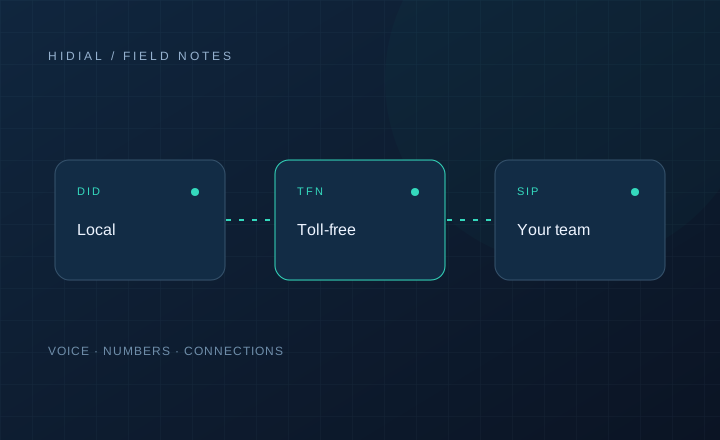
A messaging sender is part of the customer experience and the operating setup. It affects how customers recognize the business, where replies arrive, and which onboarding process the provider requires. Choosing a sender solely because a number is available can delay a launch or leave the team with a channel it cannot support.
For a US-focused call center, local long codes, toll-free numbers, and short codes deserve separate evaluation. The comparison below concerns messaging; voice capability and international use need their own checks.
Local numbers and A2P 10DLC
A local long-code number can fit a business that wants a familiar geographic identity. For application-to-person messaging to US recipients, review A2P 10DLC registration with the selected provider. Twilio's 10DLC guide explains brand and campaign registration and distinguishes this system from toll-free and short-code messaging.
Prepare an accurate description of the use case and how customers agree to receive messages. Make the actual workflow match the submitted campaign rather than treating onboarding as a formality disconnected from operations.
Do not buy a large pool of numbers as a substitute for an approved sender strategy. Confirm throughput and campaign constraints before estimating how quickly a batch can be delivered.
Toll-free messaging
A toll-free number may suit an organization using one central business identity across several markets. Confirm that the chosen number supports messaging and that the provider can deliver the intended traffic.
Toll-free messaging uses its own verification process. Twilio documents that process in its toll-free verification resource. An existing voice service on a toll-free number does not prove that its messaging setup is ready.
Determine where replies go and whether the same team handles inbound voice and text. A national number is of limited value if customers receive inconsistent information depending on how they contact it.
Short codes
US short codes are five- or six-digit messaging senders with a dedicated provisioning and review process. They are a separate option from ordinary local or toll-free numbers; Twilio discusses them in its messaging project guidance.
Evaluate a short code against a justified traffic requirement and budget. Ask for current provisioning expectations, supported destinations, throughput terms, and ongoing costs. Avoid building a launch date around an approval estimate that has not been confirmed for your application.
Do not assume the short code can replace the business's voice contact number. Keep a clear route to assistance in the customer journey.
Compare the full operating requirements
For each option, document the business owner, provider account, approved purpose, expected volume, peak sending pattern, and reply workflow. Include message fees, carrier-related charges, registration or verification costs, and any recurring sender costs in the comparison.
Check whether pricing counts individual message segments or another billing unit, and test representative content. A headline per-message rate may not describe the cost of your actual templates.
Also ask what happens when the business changes provider or administrator. Keep access and account ownership with the organization rather than one employee's personal credentials.
Registration is not the whole launch
Provider approval does not authorize every future message or eliminate filtering. Have the responsible team review permissions, audience, content, opt-outs, and timing for the intended campaign.
Test a real reply, an opt-out, a delivery failure, and a shift change before increasing traffic. Customer support needs to recognize the sender and understand why a message was sent.
A practical first pilot might use one sender for a customer-requested callback confirmation. Measure successful conversations and customer actions, then confirm whether the same design can support the projected peak volume.
For channel differences beyond the sender, see SMS vs RCS vs Apple Messages for Business. Contact HiDial to discuss your existing numbers, audience, and operating requirements.